
Key Insights
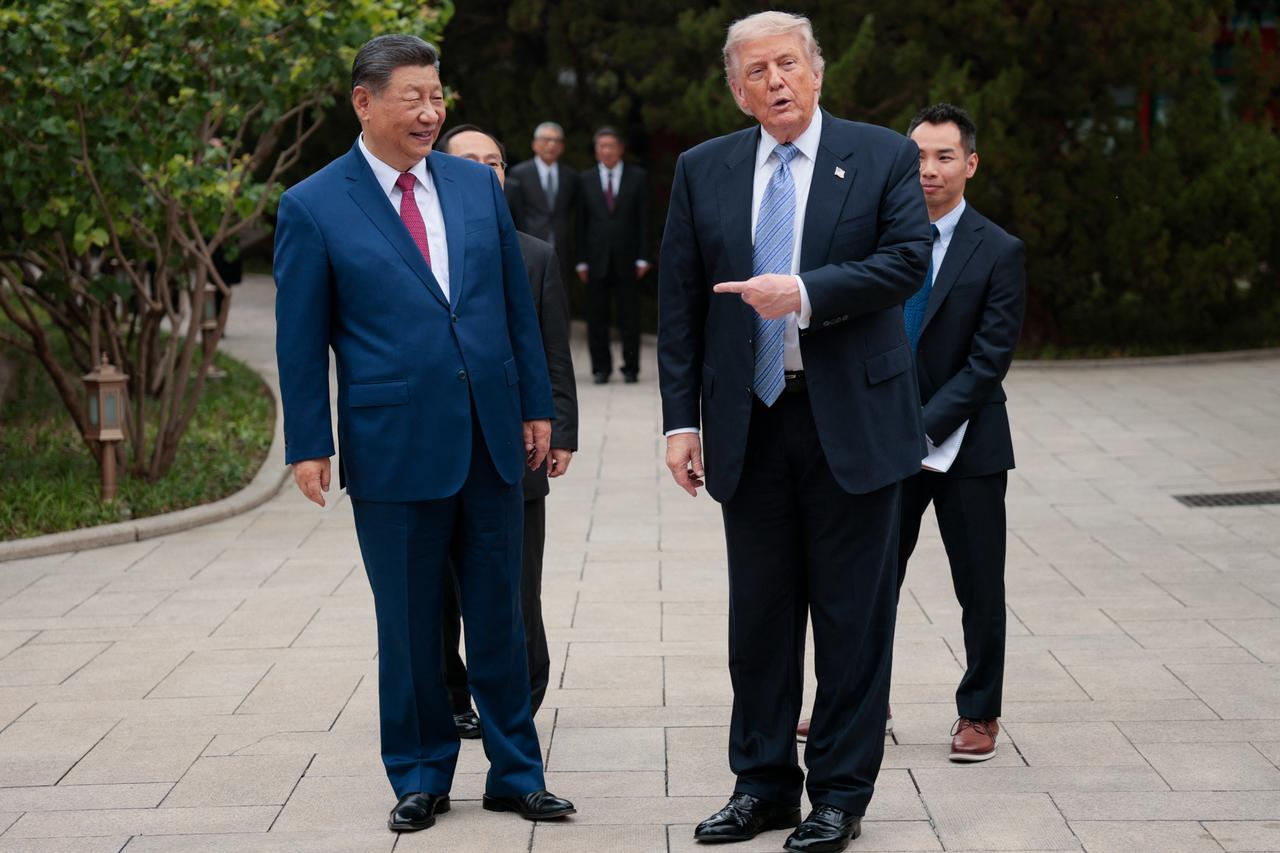
On May 12, 2026, U.S. and Chinese officials agreed that no country should impose shipping tolls in the Strait of Hormuz, signaling a unified stance against Iran's recent actions. (straitstimes.com)
U.S. Trade Representative Jamieson Greer highlighted China's desire for the strait to remain open without restrictions or tolls, indicating a pragmatic approach to regional stability. (investing.com)
The U.S. Navy's 'Project Freedom' initiative, announced on May 3, 2026, aims to guide foreign ships through the strait, underscoring the strategic importance of this waterway. (axios.com)
AI Analysis
The alignment between the U.S. and China regarding the Strait of Hormuz suggests a potential de-escalation in regional tensions, which could stabilize...
Market Outlook
Short-Term
The immediate impact includes heightened volatility in global oil prices due to the uncertainty surrounding the Strait of Hormuz's status. Investors should monitor developments closely, as any escalation could lead to significant disruptions in energy markets.
Long-Term
Recent News

Continue your research
Keep researching US China Strait Of Hormuz Agreement
Move from the topic summary into related coverage, article-level impact analysis, and the next scheduled catalyst.
Explore market intelligence
Connect this story to current themes across macro, equities, commodities, and risk.
Follow AI financial news
Find related coverage ranked around the assets and market themes you follow.
Analyze a market story
Review sentiment, relevance, likely impact, timeframe, confidence, and uncertainty.
Prepare for market events
Check scheduled catalysts and create event-specific email reminders with optional AI context.
Unlock the full US China Strait Of Hormuz Agreement analysis
Get AI-powered insights, alerts, and market analysis for US China Strait Of Hormuz Agreement and other topics you follow.
No credit card required