
Key Insights
On June 7, 2026, Iran launched four missiles at Israel in response to Israeli airstrikes in Beirut, marking the first direct Iranian missile attack since the April 8 ceasefire.
In response to the missile attacks, Israeli Prime Minister Benjamin Netanyahu acknowledged the halt in fighting but vowed to respond 'with force' to future attacks.
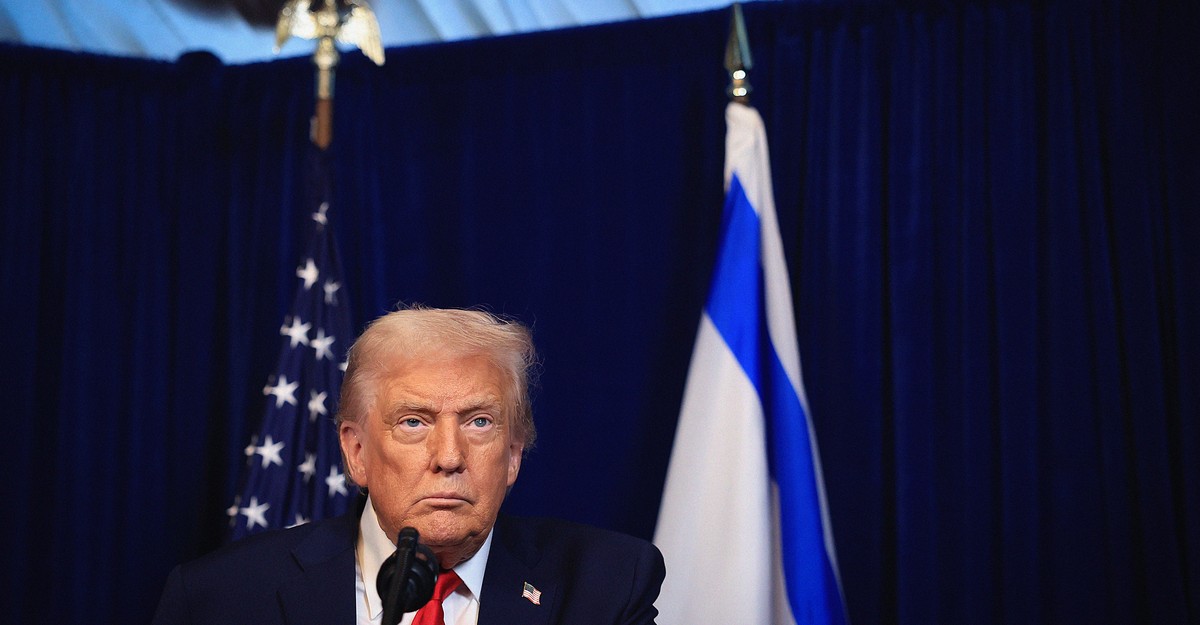
U.S. President Donald Trump urged both Israel and Iran to 'immediately stop shooting,' highlighting the delicate nature of the ceasefire and the potential for further escalation.
AI Analysis
The Israel-Iran conflict is likely to remain a source of geopolitical tension, with potential for both de-escalation and renewed hostilities. The U.S....
Market Outlook
Short-Term
In the short term, the conflict has led to increased volatility in energy markets, with oil prices rising due to concerns over disrupted supply routes. Global trade has also been affected, with shipping lanes in the Middle East facing disruptions, leading to delays and increased costs.
Long-Term
Recent News
Continue your research
Keep researching Israel Iran Halt Attacks Market Tensions 2026
Move from the topic summary into related coverage, article-level impact analysis, and the next scheduled catalyst.
Explore market intelligence
Connect this story to current themes across macro, equities, commodities, and risk.
Follow AI financial news
Find related coverage ranked around the assets and market themes you follow.
Analyze a market story
Review sentiment, relevance, likely impact, timeframe, confidence, and uncertainty.
Prepare for market events
Check scheduled catalysts and create event-specific email reminders with optional AI context.
Unlock the full Israel Iran Halt Attacks Market Tensions 2026 analysis
Get AI-powered insights, alerts, and market analysis for Israel Iran Halt Attacks Market Tensions 2026 and other topics you follow.
No credit card required