
Key Insights
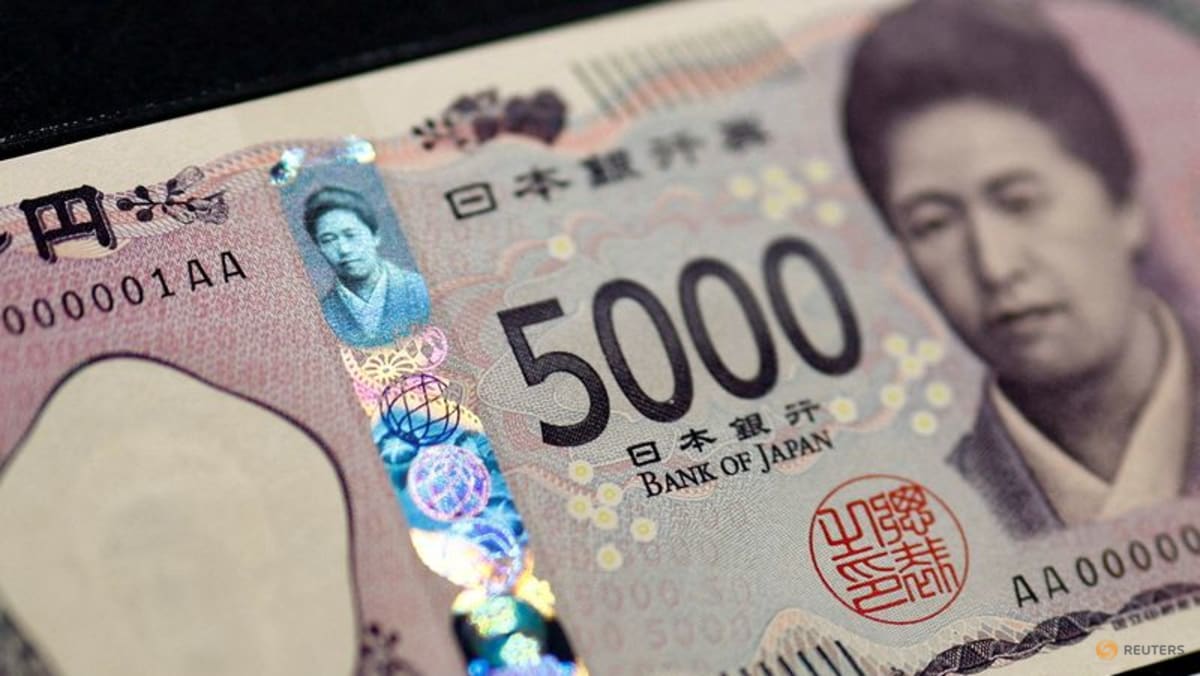
As of July 1, 2026, 100 yen is equivalent to 62 cents, marking the yen's weakest point since 1986.
The depreciation is partly due to rising global energy prices, particularly from the Iran conflict, which increases Japan's demand for dollars to pay for energy imports.
Japan's benchmark interest rate remains around 1%, significantly lower than U.S. rates, making the yen less attractive to investors.
AI Analysis
The yen is likely to remain weak against the U.S. dollar in the near term due to ongoing global energy price pressures and Japan's low interest rates....
Market Outlook
Short-Term
In the next 1-3 months, the yen's weakness may lead to higher import costs for Japan, potentially affecting consumer spending and corporate profits. Investors should monitor potential interventions by Japanese authorities to stabilize the currency.
Long-Term
Recent News

Continue your research
Keep researching Dollar Hits 40 Year High Against Yen Amid Economic Uncertainty
Move from the topic summary into related coverage, article-level impact analysis, and the next scheduled catalyst.
Explore market intelligence
Connect this story to current themes across macro, equities, commodities, and risk.
Follow AI financial news
Find related coverage ranked around the assets and market themes you follow.
Analyze a market story
Review sentiment, relevance, likely impact, timeframe, confidence, and uncertainty.
Prepare for market events
Check scheduled catalysts and create event-specific email reminders with optional AI context.
Unlock the full Dollar Hits 40 Year High Against Yen Amid Economic Uncertainty analysis
Get AI-powered insights, alerts, and market analysis for Dollar Hits 40 Year High Against Yen Amid Economic Uncertainty and other topics you follow.
No credit card required