
Key Insights
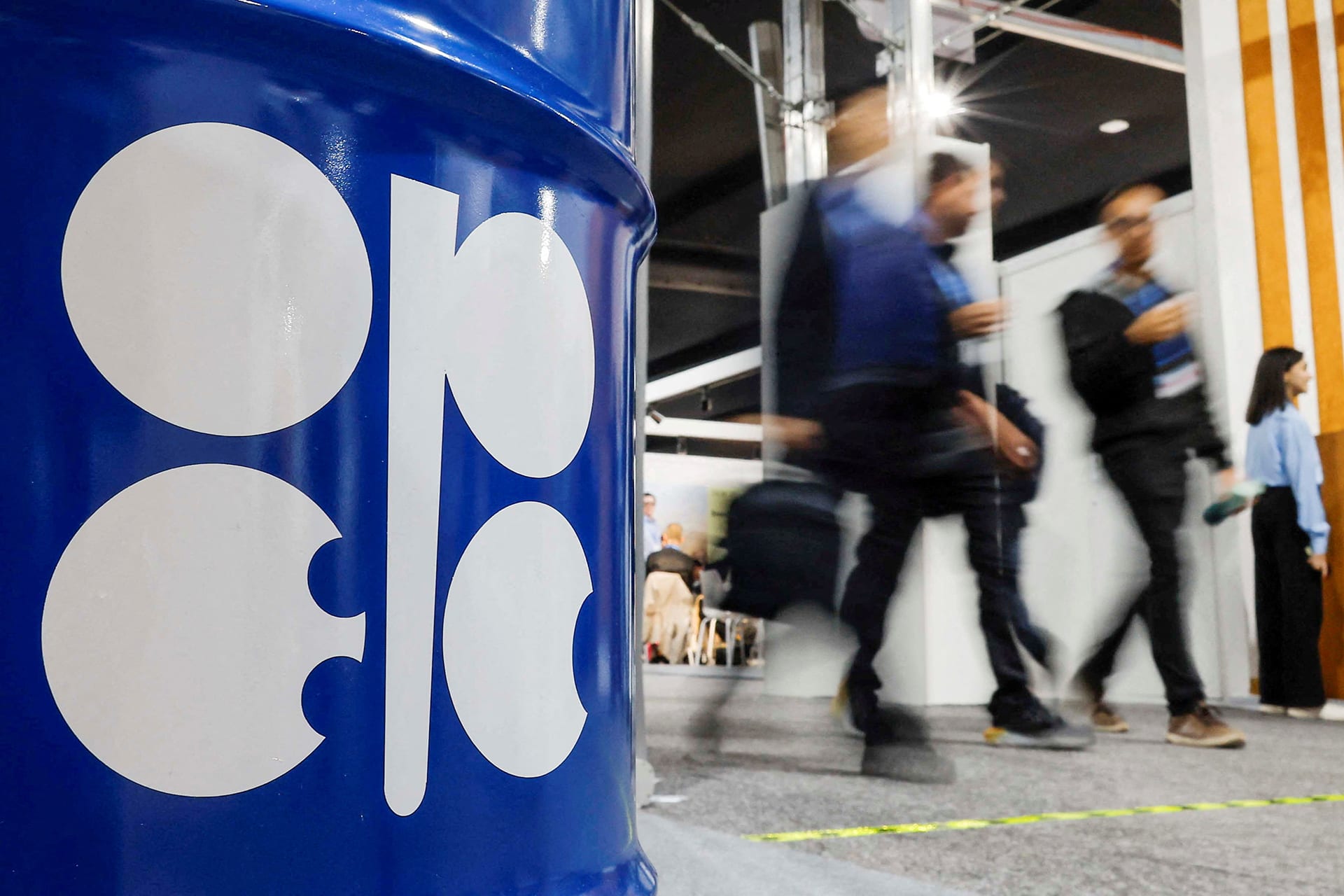
The UAE's departure from OPEC and OPEC+ is effective May 1, 2026, ending nearly 60 years of membership.
The UAE was the third-largest oil producer in OPEC, contributing approximately 12% of the group's output.
The decision allows the UAE to increase its oil production capacity beyond the previous OPEC-imposed limits.
AI Analysis
The UAE's exit from OPEC and OPEC+ is expected to lead to increased oil production capacity, potentially affecting global oil supply and prices. The i...
Market Outlook
Short-Term
In the short term, the UAE's exit is unlikely to cause significant disruptions in global oil markets, as current production is constrained by geopolitical tensions, particularly in the Strait of Hormuz. However, the UAE's increasing production capacity, which has grown from 3.3 to 4.8 million barrels per day, will be important to watch in the long run.
Long-Term
Recent News

Continue your research
Keep researching Uae Exits OPEC OPEC Plus
Move from the topic summary into related coverage, article-level impact analysis, and the next scheduled catalyst.
Explore market intelligence
Connect this story to current themes across macro, equities, commodities, and risk.
Follow AI financial news
Find related coverage ranked around the assets and market themes you follow.
Analyze a market story
Review sentiment, relevance, likely impact, timeframe, confidence, and uncertainty.
Prepare for market events
Check scheduled catalysts and create event-specific email reminders with optional AI context.
Unlock the full Uae Exits OPEC OPEC Plus analysis
Get AI-powered insights, alerts, and market analysis for Uae Exits OPEC OPEC Plus and other topics you follow.
No credit card required