
Key Insights
The U.S. and Iran agreed to a two-week ceasefire in early April 2026, leading to a temporary drop in oil prices. (worldoil.com)
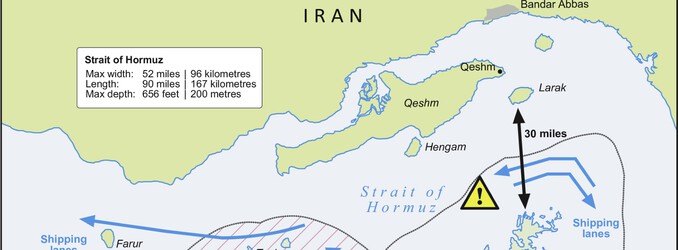
Despite the ceasefire, the Strait of Hormuz remains largely closed, disrupting approximately 20% of global oil and LNG flows. (worldoil.com)
U.S. oil exports have increased, utilizing strategic reserves to mitigate supply shortages, though this strategy may not be sustainable long-term. (axios.com)
AI Analysis
The oil market is likely to experience continued volatility due to the fragile U.S.-Iran ceasefire and potential military escalations. If the ceasefir...
Market Outlook
Short-Term
The fragile ceasefire and potential resumption of military actions may lead to increased volatility in oil prices, with potential for short-term price spikes if tensions escalate.
Long-Term
Recent News
Continue your research
Keep researching Oil Prices Iran Ceasefire Wavers
Move from the topic summary into related coverage, article-level impact analysis, and the next scheduled catalyst.
Explore market intelligence
Connect this story to current themes across macro, equities, commodities, and risk.
Follow AI financial news
Find related coverage ranked around the assets and market themes you follow.
Analyze a market story
Review sentiment, relevance, likely impact, timeframe, confidence, and uncertainty.
Prepare for market events
Check scheduled catalysts and create event-specific email reminders with optional AI context.
Unlock the full Oil Prices Iran Ceasefire Wavers analysis
Get AI-powered insights, alerts, and market analysis for Oil Prices Iran Ceasefire Wavers and other topics you follow.
No credit card required