
Key Insights
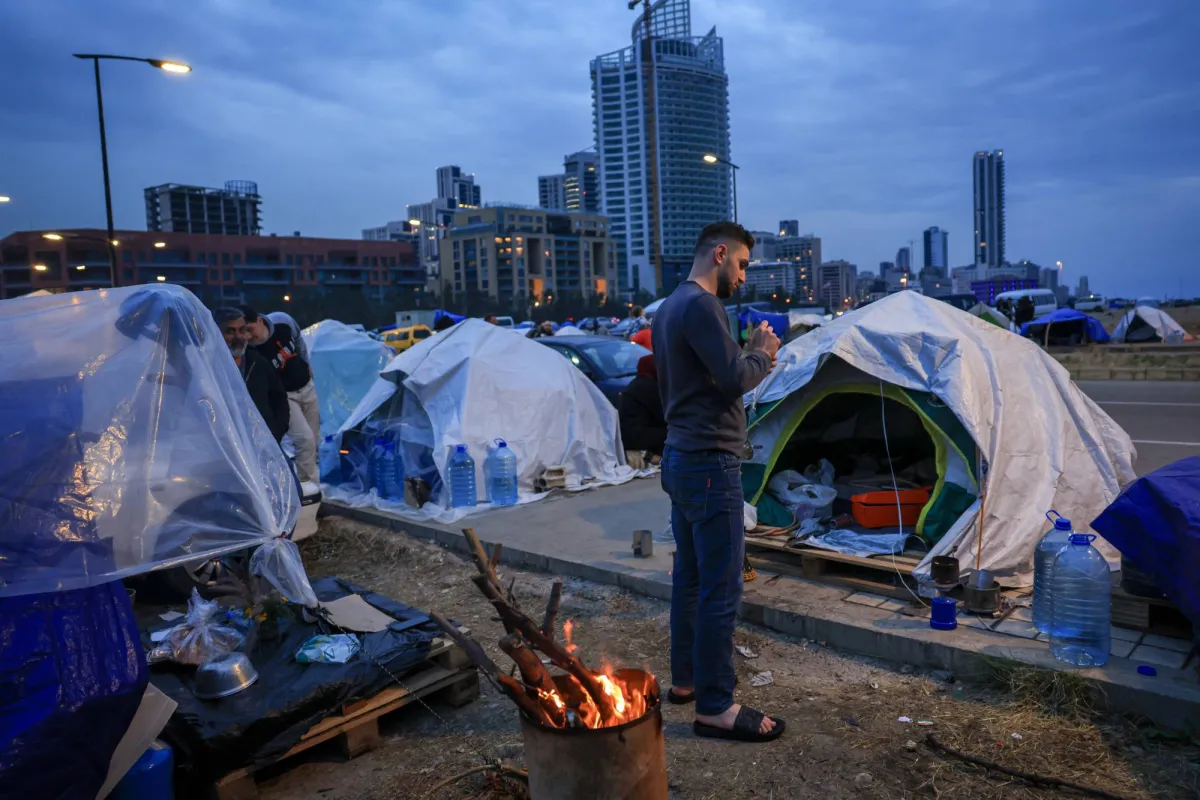
The Middle East conflict has triggered one of the largest supply shortages in global energy markets, leading to higher oil, gas, and fertilizer prices.
Disruptions have affected global supply chains, including commodities like helium, phosphate, and aluminum, and have impacted tourism due to flight disruptions at key Gulf hubs.
Market volatility has resulted in currency weakening in emerging economies and raised concerns about inflation expectations, potentially leading to tighter monetary policies and weaker growth.
AI Analysis
The coordinated efforts by the IMF, IEA, and World Bank are likely to mitigate the immediate economic and energy impacts of the Middle East conflict. ...
Market Outlook
Short-Term
In the short term, the coordinated response is expected to stabilize energy markets and provide financial support to affected countries, mitigating immediate economic disruptions.
Long-Term
Recent News
Continue your research
Keep researching Imf Iea World Bank Coordinate On Energy Crisis
Move from the topic summary into related coverage, article-level impact analysis, and the next scheduled catalyst.
Explore market intelligence
Connect this story to current themes across macro, equities, commodities, and risk.
Follow AI financial news
Find related coverage ranked around the assets and market themes you follow.
Analyze a market story
Review sentiment, relevance, likely impact, timeframe, confidence, and uncertainty.
Prepare for market events
Check scheduled catalysts and create event-specific email reminders with optional AI context.
Unlock the full Imf Iea World Bank Coordinate On Energy Crisis analysis
Get AI-powered insights, alerts, and market analysis for Imf Iea World Bank Coordinate On Energy Crisis and other topics you follow.
No credit card required