
Key Insights
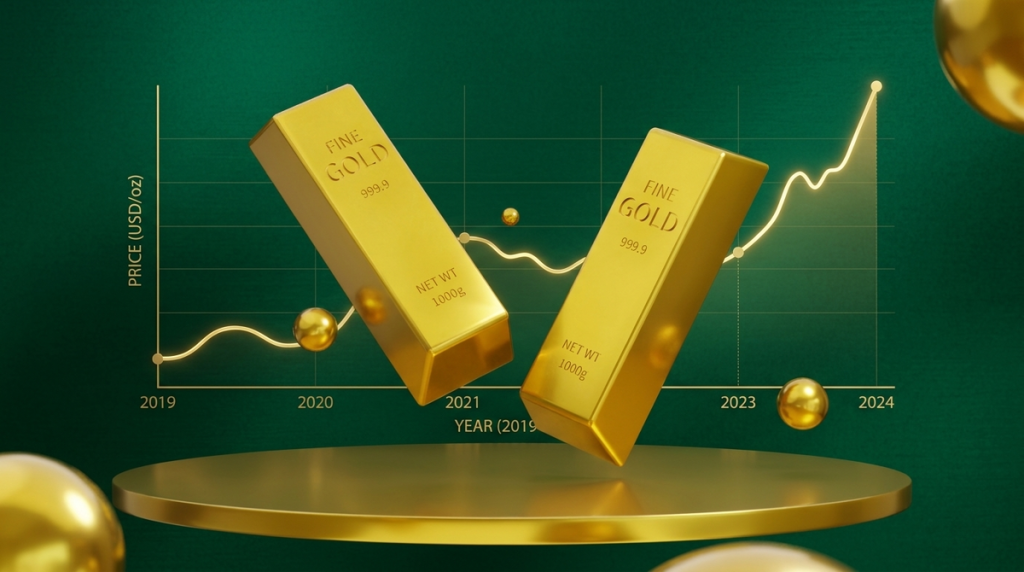
Gold prices have risen slightly, with GLD trading at $375.94, up 1.31% from the previous close.
Inflation concerns and potential Federal Reserve rate hikes are contributing to the recent uptick in gold prices.
The market remains cautious, balancing rising inflation against potential increases in real yields and a stronger U.S. dollar.
AI Analysis
Gold prices are expected to remain relatively stable in the near term, influenced by inflation concerns and Federal Reserve policies. A significant ca...
Market Outlook
Short-Term
In the short term, gold prices may experience volatility due to upcoming Federal Reserve meetings and geopolitical developments. Investors should monitor these events closely to assess potential impacts on gold prices.
Long-Term
Recent News

Continue your research
Keep researching Gold Price Increase
Move from the topic summary into related coverage, article-level impact analysis, and the next scheduled catalyst.
Explore market intelligence
Connect this story to current themes across macro, equities, commodities, and risk.
Follow AI financial news
Find related coverage ranked around the assets and market themes you follow.
Analyze a market story
Review sentiment, relevance, likely impact, timeframe, confidence, and uncertainty.
Prepare for market events
Check scheduled catalysts and create event-specific email reminders with optional AI context.
Unlock the full Gold Price Increase analysis
Get AI-powered insights, alerts, and market analysis for Gold Price Increase and other topics you follow.
No credit card required