
Key Insights
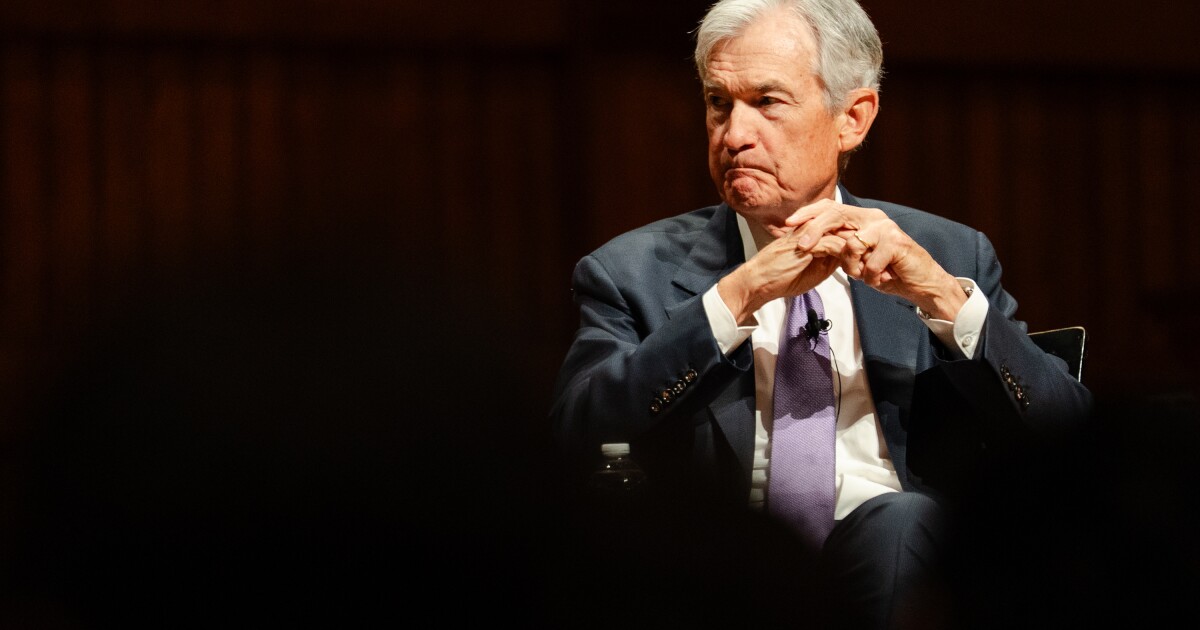
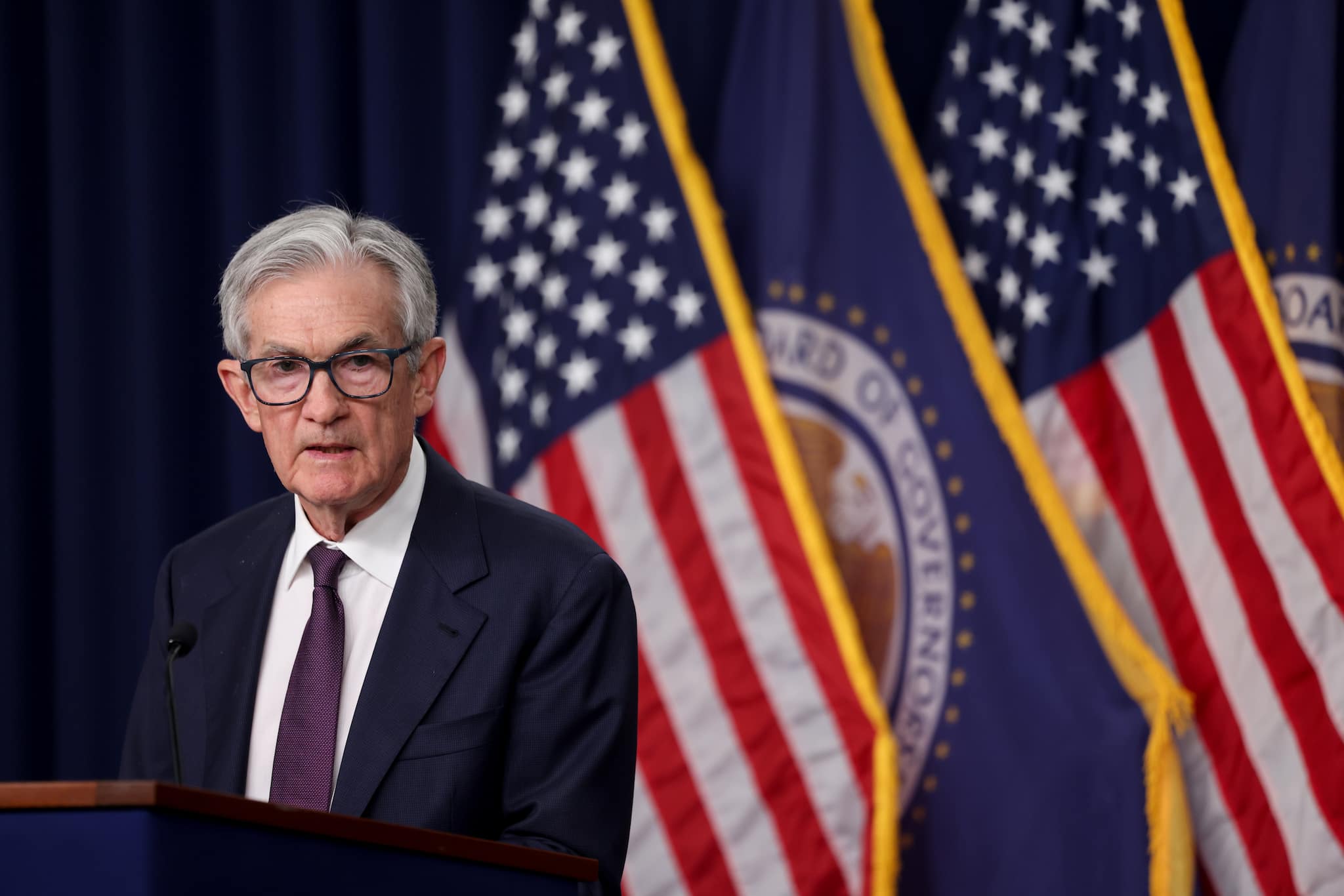
The Federal Reserve maintained the federal funds rate at 3.5%-3.75%, with an 8-4 vote, the most divided since 1992.
Inflation concerns have intensified, partly due to a surge in global energy prices, leading to a shift in the Fed's language from 'somewhat elevated' to 'elevated' inflation.
Three policymakers dissented against the Fed's bias towards easing rates, while one voted for a rate cut, indicating internal disagreements on monetary policy direction.
AI Analysis
The Federal Reserve's recent decision to hold interest rates steady amid a divided vote suggests a cautious approach to monetary policy, balancing inf...
Market Outlook
Short-Term
In the immediate term, the Fed's decision to hold rates steady may lead to market volatility as investors digest the implications of the divided vote and the Fed's inflation concerns. The next FOMC meeting on May 15, 2026, will be closely watched for further guidance.
Long-Term
Recent News
Continue your research
Keep researching Federal Reserves Divided Vote Signals Potential Policy Shifts
Move from the topic summary into related coverage, article-level impact analysis, and the next scheduled catalyst.
Explore market intelligence
Connect this story to current themes across macro, equities, commodities, and risk.
Follow AI financial news
Find related coverage ranked around the assets and market themes you follow.
Analyze a market story
Review sentiment, relevance, likely impact, timeframe, confidence, and uncertainty.
Prepare for market events
Check scheduled catalysts and create event-specific email reminders with optional AI context.
Unlock the full Federal Reserves Divided Vote Signals Potential Policy Shifts analysis
Get AI-powered insights, alerts, and market analysis for Federal Reserves Divided Vote Signals Potential Policy Shifts and other topics you follow.
No credit card required