Markets are handling a difficult macro mix this week: higher geopolitical risk in energy markets and fresh labor data just ahead of the Federal Reserve’s March policy window.
What happened
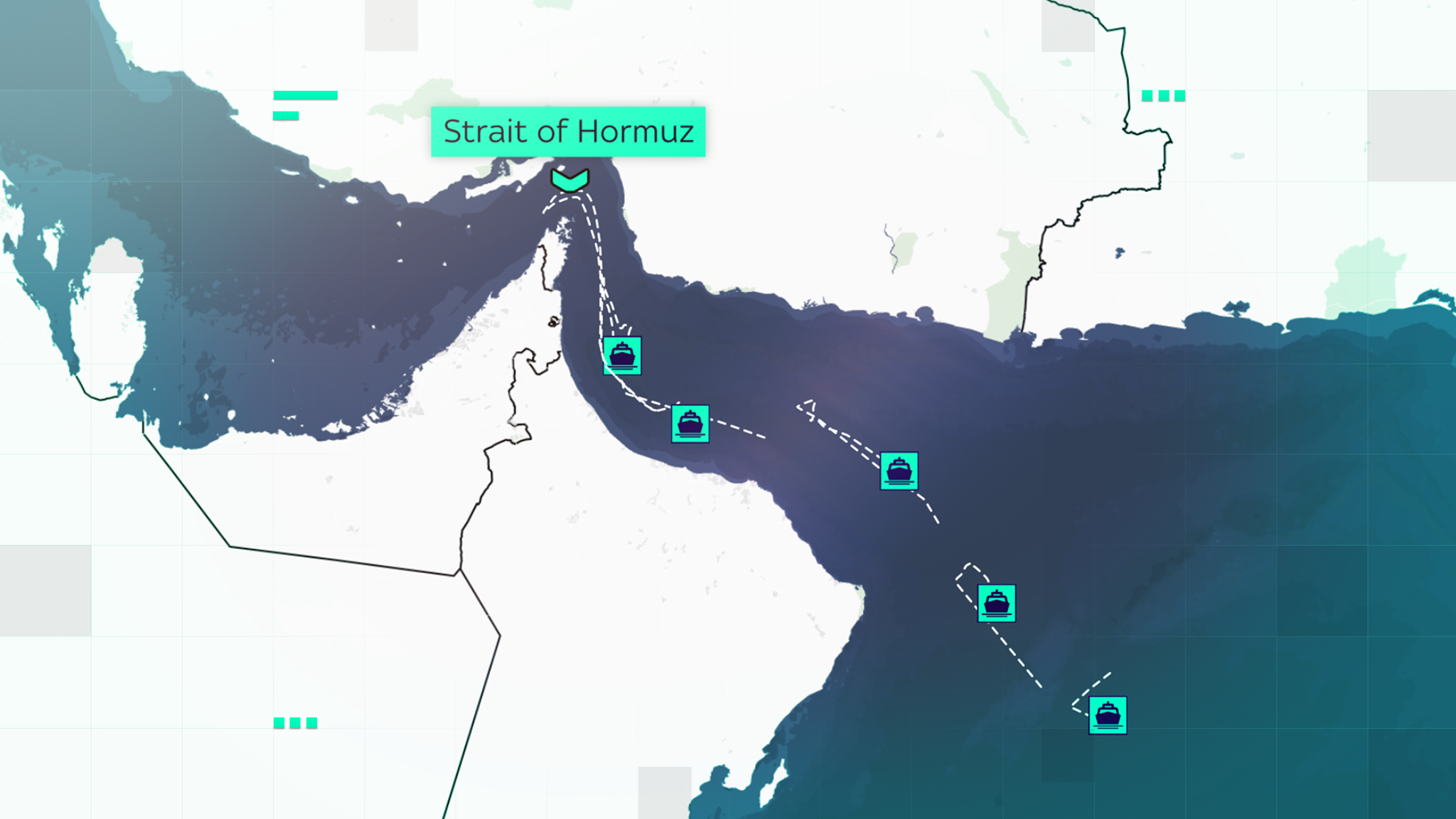
Recent global market coverage has focused on conflict-driven risk around Middle East energy flows, especially concerns tied to the Strait of Hormuz. That shipping route is one of the world’s key oil chokepoints, so even a temporary disruption risk can push oil prices higher and increase day-to-day volatility across stocks, bonds, and currencies.
At the same time, the U.S. February jobs report is due Friday, March 6. This release is landing right before the Fed’s March 17–18 meeting window, which means markets are using it as one of the final major signals on whether inflation pressure is cooling enough for a softer policy path.
Outside the U.S., the ECB’s 2026 calendar keeps policy risk in focus globally, with its next monetary policy meeting scheduled for March 18–19. That timing matters because global rate expectations are interconnected: if inflation risk stays sticky through energy prices, central banks often stay cautious longer.
Why it matters
The key issue is not “one headline number.” It’s how these forces combine:
- Energy shock risk: Higher oil can feed into transport and input costs, which can slow disinflation.
- Labor-market signal: If payrolls and wages remain strong, investors may expect central banks to stay restrictive for longer.
- Cross-asset repricing: When inflation expectations rise, bond yields can move higher and equity valuations can compress, especially in rate-sensitive sectors.
In plain language: markets are not just reacting to today’s oil move or one payroll print. They are repricing the probability that inflation cools more slowly than hoped.
For everyday users, this is why market direction can feel “choppy” even without a single dramatic macro surprise. It reflects changing expectations about rates, growth, and input costs all at once.
What to watch next
Over the next 7–10 days, watch this sequence:
- Friday jobs details (not just payrolls): unemployment rate and wage growth matter just as much.
- Oil stability vs escalation: are prices normalizing, or are geopolitical headlines creating repeated supply-risk spikes?
- Central-bank communication: how Fed and ECB language frames inflation persistence versus growth risks.
If you want a clean way to follow these catalysts together, use: Track upcoming events in Finovu Calendar.
Bottom line
The current market setup is a classic macro tension: geopolitical oil risk can keep inflation concerns alive, while labor data can reinforce or ease that pressure before key central-bank meetings. That combination is why expectations are moving quickly, and why context matters more than any single headline.
Sources